The Frogs Have More Fun...

Flowers


"All the names I know from nurse:
Gardener's garters, Shepherd's purse,
Bachelor's buttons, Lady's smock,
And the Lady Hollyhock.

Fairy places, Fairy things,
Fairy woods where the wild bee wings,
Tiny trees for tiny dames.
- These must all be Fairy names !"

(from Child's Garden of Verses
by R.L. Stevenson)


"Anyone can write a short-story.
A bad one, I mean."

(R.L. Stevenson)
----------------

"Science without conscience is the Soul's perdition."
- Francois Rabelais, Pantagruel
- Acc to/above is citated from: Medical Apartheid. The dark history of Medical Experimentation on Black Americans from Colonial Times to the Present, by Harriet A. Washington (Doubleday ; 2006 ; p. 1.)

----------------
"In the high society of the first half of the century, marriage, despite it's bestowal status upon the wife, was the most absurdity. Marriage, conferring instanteous rank or money, ... lost most of its prestige and moment right after the wedding. ...By the end of the century, spurred by Rousseau's moralistic Nouvelle Hèloíse, a contrary cult, that of virtue, arose. After 1770 conjugal and maternal love became not merely admissible, but, for some, moral imperatives. ...

[...]
...Rousseau, who sought for himself the crown of morality in ostensibly defending marriage, presents in his Nouvelle Hèloíse the most enticing and extended defense of illicit love ever penned. The root of the problem is that as the century progressed sensibility became confused with morality: passionate feeling, if expressed in a highly civilized mode with grace and nuance, makes us forgive the Rousseau of The Confessions, for example, his pettiness, his jealousies, his betrayals. This moral-amoral byplay, present already in the novels of Richardson, was to be more intense as the century unfolded."
-
Madelyn Gutwirth : Madame De Staèl, Novelist. The emergence of the Artist as Woman (10,15.)

;
"...As the social contract seems tame in comparison with war, so fucking and sucking come to seem merely nice, and therefore unexciting. ... To be 'nice', as to be civilized, means being alienated from this savage experience - which is entirely staged. [...] The rituals of domination and enslavement being more and more practiced, the art that is more and more devoted to rendering their themes, are perhaps only a logical extension of an affluent society's tendency to turn every part of people's lives into a taste, a choice; to invite them to regard their very lives as a (life) style." - Susan Sontag , on 'Fascinating Fascism' (-74; p 103;104-5 at Under the sign of Saturn)
; "Anyone who cannot give an account to oneself of the past three thousand years remains in darkness, without experience, living from day to day." (Goethe) - as cited by Sontag (on same compile; p. 137.)

;
"It is widely accepted that we are now living in the 'Anthropocene', a new geological epoch in which the Earth's ecosystems and climate are being fundamentally altered by the activities of humans. I loathe the term, but I can't deny that it's appropriate."
; (Goulson), Silent Earth : Averting the Insect Apocalypse (2021; p 47.)
;
"It is sometimes said that humanity is at war with nature, but the word 'war' implies a two-way conflict. Our chemical onslaught on nature is more akin to genocide. It is small wonder that our wildlife is in decline."
; (Goulson, 2021 ; 118.)
;
----------------
"If we believe absurdities, we shall commit atrocities." (Voltaire)
- Citated from; (Joy, Melanie), Why We Love Dogs, Eat Pigs and Wear Cows : An Introduction to Carnism(2010; p. 95.)
;

"In the presence of the monster, you have eyes and ears for nothing else."
; (Flora Tristan) : London Journal of Flora Tristan: the Aristocracy and the Working Class of England ; 1842-edit. (tr: 1982. ; p. 71.)

;
"Every minority invokes justice, and justice is liberty.
A party can be judged of only by the doctrine which
it professes when it is the strongest."
Mdme de Staêl
(on) 'Consideration sur le Révolution de la Francaise' [1818]


8/7/14

MSW Book Recommendation #40 : ...from the yellow fever and malaria (histories)


I looked, and there was a white horse! Its rider had a bow; a crown was given to him, and he came out conquering and to conquer. […] And out came another horse, bright red; its rider was permitted to take peace from the earth, so that people would slaughter one another; and he was given a great sword. […] I looked, and there was a black horse! Its rider held a pair of scales in his hand, [...] I looked and there was a pale green horse! Its rider’s name was Death, and Hades followed with him; they were given authority over a fourth of the earth, to kill with sword, famine, and pestilence, and by the wild animals of the earth.” ; Revelations , 6: 2-7 - The Holy Bible (...transl./source is from internet version for the Bible, though.I mention this 'cause the transl. often might (but slight) differ, check fx from your own, just in case...)


a-noph-e-les ([pronounciation]), n., pl. -les. any mosquito of the genus Anopheles, certain species of which are vectors of the parasite causing malaria in man. [ - NL – Gk anôphelês useless, hurtful, harmful, equiv. to an- AN- + ôphelê(ein) (to) help + -ês adj. suffix]” ; Webster's (Unabridged Encyclopedic Dictionary of the English Language, 1994 ed.)


In the 1770s, the geopolitical significance of differential immunity in the Atlantic American world shifted. Formerly, it had helped stabilize the distribution of territory among the various imperial powers, especially protecting the Spain's empire in the Americas. It continued to do so, as the example of Fort San Juan in Nicaragua showed. But now, by 1770s it also helped insurgents in other quests to change the imperial order. Political dynamics evolved in such a way that many people born and raised in the Americas sought to upset the status quo. […] A generation later, slaves in St. Domingue and Creole elites in South America also chose revolution. So did Cubans at the end of the nineteenth century. Historians for generations have brilliantly illuminated this age of revolution. One thing that has escaped their spotlight is the role of mosquitoes in making the revolutionaries victorious. ; (McNeill, p. 193)


Mosquito Empires. Ecology and War in the Greater Caribbean, 1620-1914.  
by J.R. McNeill
(371 p. ; Cambridge Univ. Press, ...2000s)  /

(...And, an accompanying read):
The Making of a Tropical Disease. A short History of Malaria
by Randall M. Packard.
(John Hopkins Univ. Press., 2007)

[Recommendation(s) III / 2014] 


...I may be mistaken, but (acc. my parish Sunday School education) I thought one from the riders, on that apocalypse/revelation myth, was named after the drought. Or, that maybe specifically was just some among those many 'prophesied' catastrophic events (such as earthquakes, fx). Anyway, the revelations chapter - quoted on above – is quite open to various interpretation (...Appears it, though, often said/noted that one never should start the reading of Bible from that part...) ; But, I only follow my instincts and soforth, happens it so that my own recall about the riders was on the following manner: War, Drought (/flood, ...notice the duality of this – At many places the flood also plays the role for return of fertility, in form of long-awaited rains, etc.), Disease(s) and the Grasshoppers (/Famine). ...And, if I now look that very carefully, seems to me the first verse actually referring for 'the Zizaine' (...to use the Coscinny/Uderzo-terminology, I guess the word from that on english would be smtgh like the Quarrel-maker, or whatever is the correct term...)

...Anyway, we'll devote a suitable chapter for each (of the riders) at following chapters. (Except from the drought, I suppose us not adequote familiar with the mentioned conditions. I guess, that particular post or text should therefore concern the global warming.)

; (Our) main recommendation at this (McNeill), perhaps was selected partly due from my youthful interest on the war history et sim. I used to read all kinds of that stuff, albeit I was not very devoted, or at least not too enthusiastic from. ...As I nowadays think most military history as boring as the asphalt, the book selected not for any reprentative of that. But, it is quite renown history-book. Actually, the Mosquito Empires appears, acc. my judgement, a better sort of example from good (academic) history writing, occasionally even brilliant. Also there (probably) weren't been any particular studies of this, prior the book.
Personally I was mainly interested from the role of 'Yellow Jack' (the yellow fever) and its effect on humanity's fates during some past centuries. More generally, not-so-long-ago-in-the-pasts, the yellow fever often was seen for some mystical, deadly harvester lurking along w./byside the spreadage of human civilizations and the agricultural developments. Even while there's always been, and still are, some equally little understood, or sometimes more widespread diseases.  (Actually, us humans don't even still know so much from the microbes and viruses, while it appears we have a general belief for the modern sciences capacities of solving those problems.)

...Although the reader of the book might perhaps occasionally wonder, whether the emphasization on subject - these pestilences spread by certain mosquitoes - somewhat diminishes the role of some other things. (Like appears typical for most histories focused on some topic.). - I-O-W, I fx find not difficult to believe that Toussaint-L'Ouverture and/or Simon Bolivar (1788-1830) at their guerilla-fights against the imperial powers were well familiarized for the effects of that 'Yellow Jack', along w. malaria, to the European troops and took most benefit out of disease-seasons, tactically and intentionally. (Preceding meaning the revolutions of St.Domingo/modern day Haiti on 1790-1804, and S. American Venezuela, around early from 1800s.). Yet, from some other courses of events, the major role played by contagious insect(/mosquito)-spread diseases is, a bit more questionable an aspect, at least feels to me so. (The Cuban revolution at late from 1800s, and fx the US colonies revolting against Brits on the 1700s, ao.)

...But, I leave that for anyone to think about for themselves. Interested can make his/her own conclusions, and so I only quote a few paragraphs in the following, about aspects I did interest myself on and from. The first discusses the level of (great) mortality rates the epidemics from yellow fever in past were found causing (before effective vaccination to the disease was invented, from around 1920/-30s):

”Six well-documented yellow fever outbreaks, albeit minor ones, give credence to reports of high case mortality. In 1853, yellow fever attacked the British garrison on Bermuda: of 829 infected, 360 died (43 per cent). [...repr. var, other examples, from btw y. 1856-1995.] ...For comparison, in the days before effective prevention, case mortality rates for smallpox ranged about 20 to 50 percent, and for bubonic plague as much as 80 percent.
In addition, many of the historical date, especially those used in the book, come from populations including large proportions of military men or indentuded servants. In an ordinary epidemic, whether of yellow fever or anything else, many people avoided inflection by fleeing. For example, in the 1793 yellow fever outbreak in Philadelphia some 20,000 Philadelphians, between a third and half of the city's population, left the city. But in the Caribbean, soldiers, sailors, and indenturd servants – and, of course, slaves – were not normally at liberty to flee in the face of epidemics, so fewer of them did so and more stood their ground and took their chances. They could not reduce their risk of exposure.” (;p. 37-8. ...B-t-w, an interesting p-o-w to mention, is that there's mentioned been epidemies (on Philadelphia) prior and after that famous year 1793 – while the said year appears most well-documented and the mosquito's relation to disease became later discovered part on its basis. But, it's said from some (minor) epidemies also fx on years 1797, -98, -99.)

; ...Also, an interesting 'parallel' view for these aspects I discovered while reading the Personal Narrative by great Alex von Humboldt (; Here fx on our book recom. no 36) . McNeill not refers on this at his book – actually it's only some told story, not any actual sources mentioned and from overally different aspects. Humboldt also only inpassing mentions this, but the quote refers to an aspect usual on many famous past disease histories as well: Often in the past the changing of locations for higher grounds was found as the only escape from falling victim of the infection. (...The quote also tells of the early era of that ecological devastation from the S.American hardwoods, as the mahogany and brazil-wood nowdays contain most declined tree-species. - Along w. several less-better known, or trees that've until more recently been less favored at the human industries/uses):

”Our host had visited the new world with an expedition which was to form establishments for felling wood for the Spanish navy on the shores of the gulf of Paria. In the forest of mahogany, cedar and brazil-wood, whick border the Caribbean Sea, it was proposed to select the trunks of the largest trees, giving them in a rough way the shape adopted to the building of ships, and sending them every year to the dockyard near Cadiz. White men, unaccustomed to the climate, could not support the fatigue of labour, the heat, and the effect of the noxious air [X] exhaled by the forests. The same winds which are loaded with perfume of flowers, leaves and woods, infuse also, as we may say, the germs of dissolution into the vital organs. Destructive fevers carried of not only the shipcarpenters, but the persons who had management of the establishment; and this bay, which the Spaniards named Golfo Triste (Melancholy Bay), on account of the gloomyand wild aspect of it's coasts, became the grave of European seamen. Our host [...] withdrew from the coast to the mountains of Cocollar.”[; from Humboldt's PN / X: ...prior the discovery of mosquitoes role at the spread of these diseases it was generally believed, for most from 1800s, 'the bad air' of swampy areas and wetlands as the main cause for (these) diseases. (Malaria as a word literally, or by origin, means 'bad air' or smtgh close for that). ...But, another aspect worth mention that through 1800s - at least until the emergence of chemistry and modern microbiology, ao - the previous belief about the disease causes was the so called miasma-theory. Acc. to that ('the main medical explanation ever since the Hippocrate') it was assumed the dead bodies, or other deceased matter, for main causes to sudden spread of epidemies. And, (also it was believed) for most vulnerable to those 'the degraded', or morally 'weak' – which actually generated some difficulties for explanators at the time, due that (ao) on the above referred Haitian revolt-example most of the victims were French elite-troops - whom should've been most resistent to disease(s) acc that belief. So, actually a specific research on yellow fever was carried afterwards by French just because of their disaster on both military and political fronts.(...to the contrary, freedom and at least partial - meant by that (somewhat) limited, or perhaps of the future prospects still uncertain, but some self-gained -  independency for the revolters... -...in time these events were to have a lot (political) influence and worldly consequence ) ]

; ...Finally, there's this quote about the diseases emergence(s) for epidemics/disease outbreaks and the mosquitos, and it's relation for the human agricultural development from since the late 16th centurys (McNeill devotes several more chapters for this, of course):
”The ecological changes wrought by the plantation economy in the greater Caribbean after the mid-seventeenth century created creole ecologies that improved prospects for searing epidemics of both yellow fever and malaria, but especially yellow fever because it's linkswitch with sugar economy. The sugar plantation economy had three main pillars: the slave trade made as a source of labor, the plantation as a unit of production, the port city as the organizer of exports. All three combined to improve conditions for the vector of yellow fever [ie Aedes Aegypti, a mosquite-spec.] ...Sugar's demographic and ecological revolutions assisted in the establishment of malaria as well, but here they were less crucial. Anopheline mosquitoes already existed in the Caribbean before Columbus. The plasmodia probably arrived soon after 1492. Sugar's changes led to more deforestation, erosion, silting and swamps, of some help in the anopheline breeding. More important, sugar brought more people and indirectly, more livestock, on which the anophelines might feed. Rice cultivation proved much more supportive for anophelines, but outside South Carolina and Surinam its extent remained modest.(;p. 61-2 / ...The emergence of the sugar-cane 'industry'in the past is often noted having had a major influence at the spread of malaria. And, of course there's lots more interesting said from the causes of past epidemics, fx about the varying role of domestic animals keeping and maintenance. That sometimes having served as an effective preventation, but also vice versa.)

; ...Then, we also have this accomp. book (Packard) at this recommendation. I have even briefer words from that, but that so just because I suppose the malaria-research must appear quite rapidly advanced field of science, by nowadays. ...So, I've not very precise idea from how that's currently, fx there might by now have been developed some effective vaccination against at least some strains of malaria (The malaria exists on several separate forms of Plasmodia, carried by several various mosquitoes – which always has also made it more difficult a disease to eradicate, if compared for the yellow fever, fx.) But, anyhow, the book draws a good picture from the malaria's historic past and of the combat against it, 'the burden of humanity' - like the malaria-disease often is been described.

And, (perhaps) most importantly reader also learns that, as a strongly socially-relating disease, malaria's return during late 1900s to various parts of warmer tropics had strong-connections w. the inadequote developmental help and poor health care-systems. And, that the eradication programs were at the time left half-away; The disease once been succesfully, almost completely, eradicated of most regions of warmer temperate zone where it was priorly extant, but not nearly so effectively of the many tropical regions (Where it, also due the warmer climate, always has remained by somehat more difficult eradicate, though.  But, in then past it wasn't quite that way, for during some former centuries malaria also used to exist as lot more common disease on Northern temperate zones, too – I recently fx noticed that actually Finland was still until the late from 1800s, a far northest coutnry in the world where there has existed recurrent malaria-epidemics (...Albeit on a quite limited sense, and mainly due because the housing-conditions at the time permitted the malaria-carrying vectors from remaining active even during the cold season.) 
 
...There are of course various other good books one could view from malaria. (On his book 1493, Charles Mann fx, seems rely, along w. Packard, to a malaria-history by Webb, p. 2009). And probably, also more specifically mosquito-related researches and books there are. But, to put it brief, Packard also every manner recommendable reading for an interested. Could've had selected it as the main recom here, but, like said I merely was interested on the yellow fever, it's past influence and socio-cultural histories. 

(In case it wasn't mentioned earlier on this, quite obviously the rider on this post was The pestilence.)
  ----------
 

- (Pic) ; Sweet Mock-orange (Philadelphus coronaria) ...I don't guarantee the specific species-name of the flower (...most genera from here are actually local bred species as they tend suffer severely of the frosts at coldest winters.)  ...felt somehow proper here as on above text there was some references for that famous Philadelphia yellow fever epidemic.)
 --------


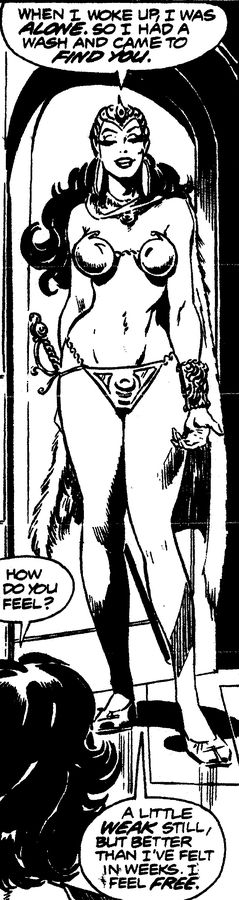
- (Pic) ; 'The Bad Vixen of Babylon, The evil hexen from the Bibschenburg'. (...I recently read, of the movie catalog, that this Fritz Lang's classic already contains all the elements later scifi films have since used. It's a great movie, also concerning the general mood and spirit from it's era.)

------------

( The latest posts! - @ Mulskinner Blog @ )


----------
Powered by
ScribeFire.

6/26/14

The Great Protein-Bar test


Merlin (sees for both directions...Guess we'd lot to thank the makers of that great comics-serie.)  
'Trickster [pron.: trik/stær] , n. 1. a deceiver; cheat; fraud […] 3. a supernatural figure in various guises and typically engaging in various activities, important in the folklore and mythology of many primitive peoples and usually considered as a culture hero.'
Webster's (Unabridged Encyclopedic Dictionary, 1994 ed.)

”The Devil is in the details.”
(A common saying/idiom.)

; ...I guess (I'm at first obliged to say), that I had findings from this decided already prior actual realization of it (...meaning realization of this test, of course). But, dear reader, doesn't necessary at all downplay the value of these results about my finding(s). For if thinkin' these days of ours, lifes-on-the-fast-lane, and all the continuosly surfacin' new researches and 'quasi'-researches (I see not so much a difference btw those...) targeted for to fuel the (seemingly) endless markets from these sugarine-filled 'snacks' and protein-bars, the conclusions are as pitiless as they are obvious: Seems like all these calorine-calculated studies and lab-made researches about the products health value were done w. same manner as this...the results decided before the tests even were made? (Think about it, doesn't mean only food products, you often read all kinds of things 'discovered' about the medicine-industries as well, fx.).

 (...That above said w. my highest respect towards all those institutions devoted on/for the health, medicine and the common good welfare, of course.)  


 ; The bad alternative (the 1st week) : Protein-bars (...and the 'shake' or by whatever name we should describe that smoothie-stuff.)

; …Anyway, for this test I selected a bunch from these (sometimes, lately) lot marketed (so called) protein-bars, plus the smooth drink. As the adverted claim is that them would make as good help for your recovery of the physical stresses after exercise, I planned a weekly scheduel with some jogging and biking, and decided to find out whether the claim would be true or false. I readily agree that a week or two week-period is all too short time for any reliable finding – but that had to suffice for this test. (Besides, it commonly said that all too often all too short periods of tests are more of norm that exception on fx medical industry, etc. Besides, otherways I'd had to have eaten these 'boosters' for some additional weeks...and I didn't see any reason for that suffering.) 
 
; To some comparison, on the second week I had the 'alternative diet'. It consisted mostly the fruits, and the orange-juice (for some alternative to that 'protein smoothie'), and, from some walnuts (But actually...I left the walnuts untouched until the end of my second week from test, simply because didn't feel for any need to eat those post any of my exerces.) ; During these test weeks I (mostly) ate otherways regularly, breakfast and couple meals a day (usually veggies, but also meat, fish). Also, I calculated the price of the fruits (incl. the walnuts) so that it didn't exceed the price of the bars eaten on former week.

; My scheduel of the exercise and physical movement during both of the weeks was as following:

1st day: 30 km biking
2nd: 10 km jogging
3rd: Day rest
4th: 5 km jogging
5th: 10 km jogging
6th: Day rest
(Sunday, rest)

; The only noticeable difference in between the first week (w. protein-bars) and the 2nd (w. fruits-oriented diet) was that on the second week I ran the 10 km routes at the different order (...meaning that the latter route on first week I ran at the second earlier, on the day after the biking-day.) Otherways, I jogged and biked almost exactly similar distances, and almost for similar tracks and paths. In short, there was not any meaningful differences between the exercises during my first and second week. Concerning the other aspect/circumstances meaningful at this, it can be noted that the weather was probably a bit warmer during the 1st week, all in all. Yet, while it was slightly colder towards the end of second week (raining), there also was sunnier days. Soforth, all things being equal I can say there was not any meaningful difference that'd had any effect for the result(s).


; ….The results ? Well, to put the plain truth for some words - and as was expected (like I said on begins of this) - I didn't find any benefit of eating those protein-bar 'snacks for some recovery. In comparison for the fruit-filled recoveries, I only felt that the "protein"-alternatives made stomach feel weighty and almost like having had it filled w. bunch of stones. (...The only exception possibly being the 'smooth-drink' - that didn't feel so much of a burden for stomach. I ate that after the 2nd day jogging, and for the alternative week had this bowl (in the pic below) filled w. some banana- and kiwi-slices. Also, on that particular case the the fruits alternative obviously was not only better and more relaxing, but also lot more tastier choice.) Besides, the fruits felt on every manner more tasty and enjoyable food for consumed after the physical exercise (I even had my jawbones tired from chewing the protein-bars.).

; ...So, I discovered that there certainly wasn't any need to some 'extra-proteins' for the recovery (I didn't feel particularly tiresome on begins from either weeks. On the latter part from both of the weeks I was tired - possibly my scheduel should've had some additional resting days in btw the jogging days. Or, perhaps the distances should've been slight shorter, maybe only for 6-8 km per days.)

 - For some final judgements, or as results, I must say that (obviously) the only reason for advert people that protein-filled junk (...as I think of it), is (very apparently) not their better health, but to 'teach' people for select certain kind of dietary choices. ; Basically, those protein-bars seem consist not only from the soya(-protein, sometimes other protein-sources, apparently), but from the additional sugarines – just like the regular snack-bars (...or quite, seems it's often made of the fructoses, though), and from some other sweeteners/flavourers (...fx, cacao, sucrose from various sources - like fx cocoa, or likely smtgh else possibly varying btw any particular examples) 
- So: Designed not for any need of better recovery, but to make you fatter, to tempt the consumers sweet-tooth, and (apparently) to adjust them consuming even more of the protein-rich foods (I-O-W: the meats). 
 
; As I have nowadays kept my vegetable-rich (and less of meats) diet for some time now, it is of course possible that fx my stomach becoming 'heavy' of those protein-bars might have merely resulted from my own diet. Anyhow, doesn't falsify the results of this test. I didn't feel any better recovered at the second week (...w. fruits eaten afterwards), but I certainly felt at least as well recovered, and, also felt happier. (I've actually felt so ever since I considerably reduced the eating of meats, the greatest benefit from the vegetable diet – It also makes you feel mentally better.) 
 
So, (so called) protein-bars ? Clearly, not for your better health, but to guide you towards certain kinds of behaviours. ... I-O-W; Once you get used to regularly eating snacks filled w. lot proteins (and fat and sugarines), you'll likely eat more of that on the other meals too. If I then only think for all that meats consumption, generally still on the rise globally (...I suppose,) and I only feel sorry for all the 'common consumers' cheated w. these newly popularized products. (; G-U-J.)


; ... And the good alternative (the 2nd week): Fruits (...plus some veggies too - there's sweet pepper along pears, peaches and kiwi, ao.)

P.S. (As noticeable, here's not much said from the usual diet I kept during the exercise weeks, but I ate quite similar meals during both weeks – fx meat during maybe 2-3 of the days. However, it's also worth mentioning that the proteins (et sim.) make only some part at the good necessary diets (vitamins, et sim, are quite as important). ...But to address that part of the problem (/the various other problems that'll emerge from increased consumption of these kind of 'snacks'), would've made it all far too lenghty a story, and I only had time to write few pages worth.

------------

; ...This lovely Bee-beetle on Oxeye-flower (leucanthemum vulgare, pic to the right) happened to bop for my camera-lens during these summery (June) days. (We've probably had the pic from the species priorly, but, here's then another one. It seems nicely fit for the flower, like a decorative jewel on a coats button...or smtgh like.)

------------

( The latest posts! - @ Mulskinner Blog @ )


----------
Powered by
ScribeFire.

5/15/14

...few words on the Rye (and from some other god-forsaken weeds)


Weed ([Pron;] wéd) ; "n. a useless or troublesome plant in cultivated land, a plant springing up where not wanted in a garden etc. ; any useless or troublesome intrusive thing, [...]” 
- Cassell's Concise English Dictionary (ed. 1894-1995)


Merlin (...here showing what the miracles the weeds have potential to...)

[Mulskinner Eco-product Recom. XIX  ; II / 2014)] ; Rye (-bread)


; Some of my best friends these days are commonly known for weeds. In case of having followed this blog (even a little), the reader might've had noticed many so called weeds, that I've earlier given some attention for (as the natural herbs, or otherwise luxuberant, often also undervalued, delicacy). Acc. my recall we've so far presented alongside here at least the Plantain, also White-dead Nettles (that lamium album), and likewise there was fx an exemplary of the typical cultivated traditional plant, the Cornflower (C. cyanus) - It  unproblematically also has all the qualities fit for that criteria (...of the weed). ...Possibly there were several others too and fewsome others now prensented at this post.

However, it's very questionable about any plant what makes the weed (/smtgh for a). It varies a lot what makes weed (for) a weed, also depending, a lot, about on which part of the world we happen find ourselves inhabiting. Also, the above reference from an 'intrusive thing', at that above quote, is very much dependant from criteria related for our human efforts, especially concerning the cultivation of soils, the preferred uses of plants, etc. Yet, personally I think that (above quoted definition from dictionary) quite satisfactory, what comes for the home-gardening...only that I also find there's a multitude weeds whose good qualities fx are often praised in the many herbals, modern and old. Additionally, it's completely dependant of their ecological importance and characteristics, whether various trees and shrubs also happen/can be described for to fit on that criteria about 'weed'.


Certain plants are often considered for weed due because they have strong roots, and, for that reason them tend turn for harms of farmers at the cultivation fields (Resultatively are often tried desperately keep away, fx via uses of the herbicides. ; ...fx, the Creeping thistle, Cirsium arvense makes a typical example. It's quite difficult to try eradicate, and  personally I've fx discovered the plant having a habit from growing everafter at my home-garden despite efforts to dig it's roots off. However, doesn't spread via seeds that effectively, making it probaly a bit less a 'troublemaker' than the flower most of us would automatically recognize to a typical 'weed', ie the Dandelion. It has the strong rooting, also grows on almost any places and only rare plants also spread so effectively via from seeds than it. However, from our traditional medicinalist  perspective we then find every-other herbal book, old and new, unanimously praising it's good qualities, contains lot C-vitamin, ao. Besides, the many hymenopteran species and other insects pay frequent visits on the Dandelions.) 

; And, basically, also fx Pennygrass (Thlaspi arvense) makes an example of similar kind, typical weed, often growing as the most usual 'road-side weed'. But, it's not nearly similarly disfavored plant as the preceding examples, probably for it also provides us with a nice, lovely flowerings without having too many from those "intrusive" characteristics, for it fx blooms here already around the end of the April, soon disappearing fom view, closely prior the turn of June. Yet, like many from the (so called) weeds, it has spread on these Northern regions of Europe only after the 1700s. 

; ...The firmest ecological prediction is that the warming climates shall bring alongside many resembling examples of similar 'weeds', some practically harmless of our human-point-of-view, but also some/many that most likely would turn out for the troublesome species.  ...The additional firmest ecological 'foresight' then makes us also mention that the most typically the invasive plant(/weeds) also love the human disturbed soils for their favored environments of spreading - so typical examples are, fx the wasteland(s), roadsides, field-sides, disturbed forest-floor - the latter most often resultively from the forest-cuts and leaving the land open and available on adaptive newly arrived plants for to colonize.  (The obvious positive-side of this 'coin', or noticeable from this often quite little considered 'ecological monster', appears that native uncultivated forests are environments where it is usually more difficult for those newly arrived 'weeds' to spread on and for. Albeit, it being not always so simple,  as there's also various foreign plants making the general exeption(s), some that are usually known as the actual invasive species. And this aspect, of course, not nearly happens similarly at the various places of the world, but the general rule is quite apparent; The more of a human disturbance any area has seen, the more of the accompanying non-endemic species tend have made their way for the region(s), alongside that.)
    -----------

; But, as the discussion at this was from the 'weeds' for positive value, a few words on the Rye, (Secale cereale) - our recommended eco-plant this time. In the past it was most commonly cultivated plant, and still is, nowadays even said for some time made a return to favored crop. Of course not generally it is known as any weed. Yet, I find it also stated that the cultivation of the rye likely (or so it seems at least believed), by earliest did originate of the plants been found growing at the cultivated wheat-fields. After some time - during hundreds or thousands years (who knows, but probably during a briefer period) - the early farmers took it's seeds also for cultivation...and so we've now for long since had (for a few millenia or smtgh like?) this most beneficial crop in uses of agricultures. 


At the North Europe, rye was in the past more important, due because it tolerates little colder conditions than the most other grain crops. Still during the 19th century, rye was most favored crop on cultivation especially at the Northest parts/regions of fennoscandia, as it's cultivation offered better chances for to avoid occasional/regular threats of the starvation (...in case of the cold weathers spoiling the expected harvests. Yet, from the 25 percent probability, or perhaps slightly more often, so happened. Also made the production and sale of tar to a favored alternative manner of livinghood.) 

; ...About it's good qualities I need not much of an ascertaining. Even that I consider myself not for any great favorer of the (so called) 'North-baltic diet', I've eaten rye ever for as long as I remember, since from the earliest childhood. A most traditional bread, and a most healthysome. (From it's good qualities, the modern study fx tends emphasize it's grains contain significantly large amount protein, and also many vitamins. As well, is sometimes adverted from acting as some pre-remedy in the digestative organs (stomach), possibly even can have effect as good preventive from the cancers development). ; So here's a well-baked piece of rye. The recipe is not the most traditional, or even precisely the one of a 'pure' rye-bread...This even contains some wheat-flour used (I found the recipe from an old kitchen book). Anyway, most delicious bread, acc. my own judgement. Also worth mentioning maybe is that the rye-bread remains fresh only rather short-while after baking(before it tends turn to a bit hard to chew), so, it's best eaten on the day baked and day after, about.


 (Above; Self-baked piece of the rye-bread. Was very tasty, I dare to tell you...)
Ingredient(s): (ca) 9 dl rye-flour (regular goes fine), 6 dl wheat flour, 2 tsp salt, 2 dl syrup (dark), 20 g margarin/vegetable oil, yeast (about 50 g, regular), 5 dl milk. ; Preparement: First pour wheat and rye-flours, salt (+ poss. addit. spices) and margarin/oil for a bowl. Grind the yeast for that. Next warm up the milk for a bit (about lukewarm, 37 C) and that along too. If using blender machine (or sim), the advice says to 'mixturize' the ingredients about 15 min, alternatively by hand for about 20 min (; ...But I actually think ca 10 to 15 minutes is quite enough, you'll soon notice that it's physically quite an effort, actually can make you even sweat...However, it's important that the dough is well-prepared.) Then, aside (under cloth) for about an hour. After that, divide for two parts, bake for suitable pieces and let them be (under cloth again) for yet another hour or so. Oven for 250 C (But when baking them reduce the heat to 175). Finally, with little wooden stick (or w. fx fork) pick small holes to the cover of breads. In the oven for an hour and eaten soon after. (One can also use oven-plates for breads, but I've not noticed it too necessary.)
 ------

...From the fewsome important other plant(s) on this post, we have few words here on the Willows and the (Stinging-)Nettles. Both actually are very commonly termed or treated like typical weeds.  Willows are usually considered for trees or bushes that prefer the moisturic ground, (very) gregariously growing alongside the ditches and riversides, ao. ...But it's actually little misleading view, I think. At least as the most commonly known willow species here (apparently Goat willow, Salix caprea), often grows on a bit dryer grounds too. Actually, the most magnicifiently flowering older willow-trees one often can see at the other kind of environment(s), fx on old hillside-meadows, edges of boreal forests, ao. In short, places where the it usually grows a bit more slowly, and scarcely. Of course, it's mostly or largely due from  the human practices, as from many places growing smaller coppices the shrubs are regularly cut down, so the fast-growing willows grow there even on more fast pace...just like the (typical) weeds often - but not always - do.

; But for me, like most people, actually the willow flowering always marks the first sign of the Spring. And, the flowering of Maples tells of the begins of Summer. ...However, at this particular year it was rather confusing: After the record-breaking warm winter season, felt on March like the Willows would - kind of - been confused too and their flowering began relatively late. Comparably, due from warm weeks on the late April, the blooming of Maples began surprisingly early (at the moment when writing this), leaving only few weeks, maybe 1-2 weeks, in btw. Not the most usual 'spring cycles' of their flowerings, I think (...although I've not followed that anyhow longterm). 
 
(; Above and below, some willow-flowers, at the bloom around midst of April, this year.) 

; Willow's blooming, like from almost any plants,  are most lovely just during the few days from the flowers having opened. Often also are more easily observable compared to many other trees (for the latter mentioned usually grow more tall.) 
; Willows (salix) twigs and stem have the greatest flexibility and so it belongs to the plants that've had most countless human uses, making of various tools, bows and arrows, criss-crossing weawings made for baskets (et sim.), etc. If we then also mention that willow(s) seem traditionally been a trees consecrated for the Moon-goddess (in the pre-christian beliefs), that'd probably more than I at first planned to say on this.   


; ...But whether or not you'd expect more words devoted for it's lovely flowerescence and otherways great ecological importance (here North at least), can't possibly leave unmentioned from it also had (some) important role in the early developments of modern medicinery. Namely at the findings about usability of the contained salicin. While the uses of willow's bark been long past known at many herbalist traditions, the first pioneering efforts at the 1700s were made by some English vicar, Edward Stone. A little later, around early 1800-20s, the German and French chemists created the synthetic substance we now know as the salicine acid. ...Ie, the drug nowadays esp. known from it's great usability as the pain killer. It's story is quite comparable to some resembling (if not strickly similar) remarkably beneficial drugs (for human kind), whose discovery by origin was based at the plants qualities. (Robbins's book - of which the above remarks on willow and the acetylic salicine viewed - also seems mention some 'eighty million aspirin tablets are taken each day worldwide'. The book also discusses willow's (and it's good relates, aspen/poplars) uses at the nowadays popular eco-system services, namely it's good qualities of filtering toxic substances/wastes from ground, ie on treating water pollution. ; The Man Who Plants Trees, p. 59-62  and 129-136).

; At first, considered this featuring only willow for the natural plant accompanying the post, but since there's been several at most previous posts, we'll have some additional plant here too. (I don't have overwhelmingly much to say about it actually). 

The Nettles (U.dioica) are renownly plants w. many practical uses and were held in high esteem in the past actually. ; Prepared for the foods, as their nutrient-value seems noted comparable for spinach. The fiber manufactured from the nettles was in (prehistoric) pasts the most widely used plant material for making of clothes (..and later on, at least in the far North, or parts of it). As well the nettles-fiber was widely used for (making of) fish-nets. As well, the nettles have had most various uses in the old herbal medicinery. I've not familiarized w. those espesific, but E.Hoppe's renown herbal-classic, or 'gardening seasonal calender' (Året om i Örtagården, 1982) seems fx mention that from the nettles-root some liquids also were made on preparation of stuff 'cooked' to improve the hairs growth. (...Not meant enjoying that internally though, but via scrubbing on the head-scalp.) ; So I couldn't resist the idea from having the above comics-loan accomp. this post...just for the fun of it. [; W-G.]


The (stinging-) Nettles, springtime growth, near on ground.

------------

( The latest posts! - @ Mulskinner Blog @ )


----------
Powered by
ScribeFire.

4/4/14

The Undesigned Chapter XII ; 'Fragnant but flamboyant'


Mulskinner Hi-Tec (/Eco-product) Recom. XVII ; [I / 2014 ] - The plants [; Pt I ]

”Trust your nose, Frodo. Whenever you feel uncertain from the path, always follow your nose.”
- Gandalf to Frodo (on the LOTR...the movie. As I don't seem find that statement written on the Tolkien's orginal - or at least seem that not on web-edition from The Fellowship of the Ring.)


...but consider the Universal History, and then tell us – when did the burdock and plantain sprout first? It has been so written for the most part, that the times it describes are with remarkable propriety called dark ages. They are dark, as one has observed, because we are so in the dark about them. …Yet no era has been wholly dark, nor will we too hastily submit to the historian, and congratulate ourselves on a blame of light. If we could pierce the obscurity of those remote years we should find it light enough; only there is not our day. - Thoreau (Henry David) ; Dark Ages (...from ca 1840s)


”...So let me introduce to you,
The one and only Billy Shears...”
- Sgt. Peppers Lonely Hearts Club Band (The Beatles)


[...By coincidence, this little bee(-ing) was accidentally left off from the preceded insect/bees-post (here). So I decided give it a place here. Also depicts this exemplary case of the family of Solanum-plants; (Relatively) scarcer group of plants in the European regions, also renownly many of them poisonic. This 'creeper-vine' Solanum dulcamar, also known as the Bittersweet, however appears rather common spec. also on European natures. Typically for (some) plants toxic for the humans, not necessary so to the insects. Simply as they've had some time for adapt and evolve together, during the hundred thousands and millions of years of their fruitful co-existence...if you then think about that a bit further, turns out not for any surprise any news of the various 'insects'pests', etc., found of have developed resistance to the chemials (fx). It's only surprising that them can have evolved the resistance so quickly, in a few decades, maybe even by years.]

; ...Appears (it) also so, that I've long since considered we'd have some post devoted esp. to the trees here (the Fennoscandian some, in particular). However, none good an opportunity or place seemed available, or practical until now. After this consideration, I've now figured now that this forthcoming serie shall discuss plants from bit wider perspective. Aspect is so much of source of discussions and central topic in the human life, ao, becomes even more obvious if we think for most any field of human culture. (...Fx, think just for the agriculture, fuels, medicals, or even the construction and commerce – all those have their origins and development based on plants, one way or another.) At this moment I've not too specific idea about, but I suppose subsequent parts on this serie shall be from the trees, and also I suppose there should be smtgh from the plants as home-gardening/farming (for foods/harvests). However, on that order and the latter mentioned only in form of some enchanting pics and accompanying notices...Maybe also we'd have some post(s) on else things if it happens turn out (smtgh) of and from aspects relating.

This introductory chapter here only has a few paragraphs about the flowering plants, also from most important aspect at the insects-plant relations (...mostly, discusses also a few other aspects.., :). Mainly (it was intended) to be of the characteristical fragnances, or the scents by flowers.

----
(; ...Appears it then also so, that this was orginally meant to be posted on the April Fool's Day, but was a little delayed until now (it's only a few days past). My intentions on this, a priori,  aren't on write any fool's day jokes, but from some aspects of interest and enchantement - like the plants. However, as the humor is so common and usual aspect of this human life - that's characteristically a human emotion - I viewed a little about that Fool's Day, and there's quite comprehensive article at pages of museum of hoaxes. ; Seems there then say (have a look and view it yourself more in particular...), ao, that the day did had indirect antique precursors long since, fx 'the Roman festival of Hilaria, held March 25, and Medieval Feast of Fools, held Dec 25.'. ; ...Addit., it also mentions that William Shakespeare (1584-1616), the famous dramatist, never mentioned the April fool's day at any from his plays. (And, the actual Fools Day, the 'joke day', is noted for an 19th centurian invention.) - B-t-w., feels to me (or, as I find that) most anything from the 1500ies (English) history often seems, somehow, tied for an aspects about what the Shakespeare knew or knew not, did or did not. Fx; '...Malaria was so common in Britain during those times, and the Shakespeare was well aware from.', and '...That Shakespeare must have had at least some in-direct knowledge from it, and is referring to that distantly on the verses...'. ...But what a magnet for the historical anecdotes and writing we find this mysterious person, most famous drama-writer/actor ever lived. (As well, what the beautiful relationship man must have had for his palesome and dark muses, from whom he was so inspired of and from, 'cause that perhaps is the second most usual popular topic on some scholarly 'digging' of that so ”Shakespearean” 16th century...) ; The basic ides of that 'fool's day' then at least seems distantly relating on these 'Saturnalian aspects', discussed priorly (/following), for seems it there also noted that originally 'Saturnalia was a Roman winter festival at the end of December'. However, but we can quietly close up our parenthesis for that good old phrase: 'King for a day, fool for a lifetime.' Some practical wisdom... ; but let's move on...)


So – relating for theme of the post – pictured household plants (below pic), selected just for them being very pleasant of the scents. The Common gardenia (G. Jasminoides, left above at pic), a renown and noteworthy flower, that I recently acquired mostly just because of that reason. Jasmines also feature lot appreciated fragnants, so the White jasmine (Jasminum polyanthum, below left) also from my recent acquiring. In fact – while I don't have much of an interest about that - the jasmines appear said popularly cultivated to the uses of the cosmetic industry. And I suppose, it's from the same plants (or at least some rather close variery...in the east Asia there grows several spec.) whose flowers are used as well for flavouring some teas. ; About the last screen it's said, that the pumpkin's (of course I have to have place for the pumpkins on this too...) smell one wouldn't at first consider for the loveliest of 'odors'. It has a bit of the same than an unpleasant 'rotten' smell as the fruits inner. But, actually, close by it's flowers, when those of recent blooming, the air is filled w. their typical 'fume'. ..It only little resembling the abovementioned but also little different, and actually it's rather enjoyable, even has a nice quality of it's own. (...Bees seem to be very fond of it too, as I've often remarked priorly). One probably either likes the pumpkin 'smell', or not. 


[/That rabbit on the pic...? Well, it's the 'Sole living inhabitant on Saturn', like the original story would tell...Ie, that good old Topolino-classic, a comics-story having such a hilarious name as that 'Astralpippo n.9999!'. It's from the y. 1960 and was drawn by Giovanni Battisti Carpi. Story was by Attilio Mozzarti. ;...Another almost as good story, of the same year, and by Italian artists (drawn by Carpi, written Ennio Missaglia), which I find here some space to recommend, is 'Topolino e la rivolta delle ombre'. - Although the symbolism of that is quite more of a direct socio-criticist kind, than these 'fantasmaphagorificals', of the former mentioned story. (Neither has anything, or much to do with the flowers or tragnants). ...Yet, the Saturn was actually for me a great fave of planets in my early days. Not any other planet looks perhaps as exiciting than it does, it fx has the famous rings formed of iced gas (or, smtgh-like). I also read the planet being comprised mostly, or largerly just of the Hydrogen (H) and Helium (He) - It's also gigantic, second or third largest planet on our solar system, only after Jupiter and Uranus...possibly.. The planet also has several moons, 17 acc. my memoir [; well 'the current number' seems more like 53, of which the moon Titan described for a 'rich laboratory for chemial processes, resembling the Earth in deep freeze', ao.] ...So, apparently it's has to be a perfect place for a rabbit, even for an imaginary some. (I don't recall the name of the inhabitant, but he's described for quitesome a 'trickster' and bored for death, all alone on his planet - Well, not quite so alone on the end of the story. And the place itself - that ethereal, exciting 'ball', w. it's surrounding rings and outer pieces of rock w. those gaseous formations in 'life-preserving' deep freeze – it of course inevitably awakens most extraordinary thoughts and feelings...
   
----

; No question from, the flowering plants are ever so important in the human life – One who cares think for it, soon will discover: the plants are everywhere around us in the Earth. No Earthly life would have been possible without the appearance of plants by earliest. Briefly put, just glance around yourself and you'll notice this a most simple truth. ...Possibly you have some plant at your living room. Take a look for your refrigerator and find out that there's products made from bunch of plants. Possibly your garden fence is decorated with some, and then there's fx all their imaginable usabilities of them at our surrounding environments (...in the best cases, not always so) as the traffic walls, making shady-spots, their air-purifying use, etc). Shopping centers and other commerce paradises - those boresome, over-hygienic but dusty places - also owe the whole of their existence to the plants. Just think about it: no plants, no man.

Not to say anything (much) about that the plants make the air breathable...again to prove my point, no need to buy/study any expensive tests or equipments; Just go for any nearby place where there's natural vegetations – even some smaller patches, but not the city park – and compare the air there for your usual suburban air. The more of a vegetation, the better them also filter any unhealhier substance from the air (Not every natural environment of course appears equally healthysome concering it's air-quality. The more of a water usually is also rather important. Also, many of the conifers are described from having qualitie making the air very good, but in the deciduous forests there is usually more fertile rich soil, making them suitable to a more numerous plants, and via that, providing to a passer-by fx more of the variety, colours and the flowerings, not only nice to watch but also having any particular scent of their own. In combined, the variety also has some part on that. The amount of course is equally fundamental, city air is bad not only because of the pollution, but also from that the trees are usually too few.)

; But, as I intend not to write overwhelmingly massive page-counts on this introductory chapt., the following only lists some other species renown for their especielt scent(s). As my knowledge about the plants also is mostly of very recent origin, I don't claim to make any very extensive 'coverage', but list a few respectable and renown examples. And, of course, in fact almost every plants there are posses some smell of their own, or characteristic kind (typically at the time of flowering.)  And also, some 'rule the thumb' concerning the regular garden and indoors plants is that more the bred and cultivated variety is, the less it usually has left of the natural plants original aroma or fragnance. (The plant scents can to some appear allergizing. Also, the plant's scent is usually difficult keep for much time. So, in the commercial market it is often avoided a quality.)  
Anyway, I fx did find the Acacia(s) (Acacia) been so favored plants in the perfume-industry, long since, that in the past to some regions of France the plants are actually believed introduced just for that purpose, quite early from modern era. Of the appreciated outdoor plants, appears there fx (common) Mignonette (Reseda odorata) - In the past seem it been as common outdoor cultivar than was that Gardenia (previously mentioned) for an indoor plant (I guess still is, seems it also a species mentioned cultivated to the perfume manufactures.). Also, at this is proper mention the (garden) Heliotrope (Heliotropium arborescens)...and perhaps other heliotropes also provide species favored of their scent. (Some, incl. that fragnant species .arborescens, appear also poisonous.) ; ...The Orchids (of course) are very renown due from their variety from scents. The natural N.European orchids are perhaps less versatile on that (as they're from species far less compared to the tropical some), but quite pleasant, if typical, orchidean scent here growing is at least the Lesser Butterfly-Orchid (Planathera bifolium - The name of it, apparently, comes just due the plants elegant fragnance, which only is recognizable during the night when an orchid purports attract the smaller moths et sim by it).  ...Not to mention various more and other some: The plants are very many and almost each and every has it's own characteristic aroma (or smell, depends largely how we experience any of those.) ; From the certain plant's 'qualities' via their scents (not quite renown for the pleasantness, but its usabilities) we can, I suppose, mention the Tagetes and the Calendula. As the both appear been favored on gardening due because their smell repels pests. So we also find that the scent of a plant can serve for tempting the insects, but as well for to fend 'em off. 
 
If we then also mention the Wild Rosemary (Rhodendrom tomentosum), also containing very recognizable, slight toxicating but rather exceptional scent filling the air during it's flowering, we can notice these few examples sufficient. ; ...However, an inpassing mention we can then also refer for the 'mediterranean comparable', ie regular Rosemary (Rosmarinus officinalis). It's scent also very noticeable. Actually, Borgen (on Mina örter, 1970s) seems write that during Rosemary's time of the flowerescense the whole coastal range of Atlantic from it's growth (at the West Mediterranean regions, Spain, France) is filled w. the delicate fragnance of the plant. And furthermore, in the christian tradition ever since the 'begins of time' the plant has been very appreciated one and was/is strongly associated to the Mother Mary. (Not much surprising it's scent also has been favored at uses of cosmetics, et sim.) 

; ...And, however, we can't then possibly also not leave unmentioned our final exemplary (Mediterranean) plant, the Dictambus albus (Although I don't know how pleasant it's 'fragnance', but apparently has it nice scent, too.) From it's common name Fraxinata, or Burning bush...for it happens be that mentioned spec. is most renown from been sometimes claimed to just that flammable shrub which plays part in the biblical story - precisely, see from the Bible (Exodus 3:1-22, 4:1-17). Not familiar of this 'field' (the Church history) more precisely, but see wikip.(fx) ; And seems it, the mentioned plants at the Natures are even still believed (by some) from being still existant. ...On a more 'confirmable level' (as I find that), appears it also noted the plant's leafs from to secrete certain oils that really can burst for flames very easily, in the suitable conditions (Even by itself - Or so it's said, while in reality rarely that's seen, also is said.) Anyhow the plants range at least situates close for the mentioned 'scriptoral regions' (Albeit, not quite on the same area.) 
 
As the oils itself are liquid, the gaseous substances forming of (those) also often are highly flammable. So, even if this goin' slightly off from the world of scents discussed, we nevertheless find it so that scents and liquids have some things in common. (Basically, at least, in the evaporescent form.) 
...Hobbying of the plants can also turn out very enriching for anyone having interest on that – as I nowadays most often like to think, quite simple a truth also ; The plants actually know better, for they've had some time to learn, developing various adaptations we humans are only barely aware of, perhaps.
 ---

; Brings us then to these additional few examples of plants. Them here not from basis of any characteristical of scent(s), but only because I at first considered this devoted solely to our natural plants. Neither of these also not selected here due being rather toxic, but for them have very enchanting flowerings. 

And, also these few examples actually mainly to pay attention on a fact, that there's actually many rather interesting species which have the presence at this Northern range. (Only that the people of our so called 'welfare nations' would learn to appreciate these old and honorable species of their own Natures.) Of course generally far less studied tropical plants are often more in the centre of various devoted researches nowadays as there's also multitudes more of plant species in warmer parts of the world.. ; ...Albeit, not so much on the public eye, due because the big companies on medical research often aim and purport for to establish themselves some monopoly of those and limit their rights of use and acquiring; i-o-w., it's that dilemma from generally very suspectable system of patenting (In case from the plants and the commerce concerned). Personally I only think of that much like our beloved Rousseau at his own times from the similar intentions - I don't think there is much of a disease that several dozen herbs and plants wouldn't possibly heal, but I only find that practical a view-point impoverishing concerning the study and enjoyment of the Natures (And also esp. so concerning one's own intelligence, if devoting all his resources to solely for the research about their commercial usefulness.)

'The many faces of Daphne' ; ...After these notices it feels proper mention that Daphne is said among the most toxic plant that have natural range on this far North Europes. It's actually said about Daphne (Daphne mezereum) the plants contained poison (mezerein) being so strong, that if one would cut a twig for flower-decorations to a bowl and sleep overnight in the same room, one would in the morning wake w. a considerable headache. In spite of that, fx the plants scent isn't very noticeable, at least in the open (Appears not very pleasant either, acc. my judging.) 

...But, it's also interesting that despite it's remarked even many insects from to avoid the plant just from the same reason, it's toxcity, there's also some (fx, Brimstone) that readily visit the blossoms during the Springtime. - Renownly, the plant's bitter-tasting berries are lethally toxic some to any mammalians (incl. humans), digesting mentioned fx from causing vomiting, burning fevers, etc.  Then, however, it's noted from not having effect on the birds, that actually eat them and spread the bush via that way. (Also, some researches from the substances it contain and possible usability at the medicinal purposes seem been carried out, but seems it they've disbanded that for it was found not practical, just due from mezerein plant contains.) 

From Daphne's part we also find some space from observe that there are (on Europe, Asia and N.Africas) an amount of it's close genera or shrubs. ; I-O-W, the (genus) daphne contains 'any of several ornamental shrubs with shiny mostly evergreen leaves and clusters of small bell-shaped flowers.' On that basis, at least seems it also superficial assumptton the name of this particular plant to bear any reference for that antique myth about the river nymph, Dafne. – Since the tree or bush on that myth/tale – so it's said - could be any of the genera (and other versions of story, even refer to various other plant.). But, at least it is more interesting to notice, the word on latter part of the name (mezerin), seems then to trace it's orgins for an older word from Persian language (w. similar meaning). Anyway, this particular species of the Daphne, only and exceptionally among its genera has range reaching until the N.Europes too. (Luckily, considering that all parts from the plant are very toxic, appears it yet quite easily recognizable here due from the shape of it's leaf. Even though, the flowers actually appear before the leaf. )


'The Last Crusader' - From the Baneberry (Actae spicata) I've not noticed whether it has any characteristical smell, but anyway, in resemblance to Daphne it also is rather poisonic too. Another aspect sidepassing mentioned can be noted about that the Baneberry belongs for the (many, numerous) plants that during the Middle-ages were supposed contain almost magical quality from to serve as protection against the plague. The belief was of course completely erraneous, but it' quite descriptive to the era that plants w. such 'strong essence' (fx known for poisonic) were held as effective cures to that disease known for (very) incurable. In the desperate times people often choose to believe all kinds missmatch, and in the medieval era that kind of thinking also was far more argumentable as the prevailed worldview was full of fantastifications
 
Also, (fx) many strange plants or products made of them, were only known as rare imports (at the Europes, meaning) from elsewhere, while their origins always not were too well known. Not even were always believed originated of the natural plants but of some mystical sources. Sometimes those were believed to the creations of the devil, sometimes been formed in the begins of time. (Or, from to originate of some phantasified creatures, like fx the so called 'dragons blood', that actually was some mixture having contained, ao ingredeint, substances of the Dracaena-trees, unknown in the Medieval Europes.)    (I-O-W, basically the whole thinking and views from the Natures qualities held on to the complete different basis if compared to the present one). 
 

At the final paragraphs it is only noted that my actual reason from to select this enchanting-looking plant (see pic adjacent) was due from this photo, of a place of it growth at (semi-)natural spot, close by sunny forest roadside(/-path), where the plant occurs at it's most favorable conditions and environment. More usually in the natural environment one finds it of places where the light or terrain ain't so optimal, and it there not develops quite that luxurous blooming spikes. Sometimes is seen grown in the gardens, despite that likewise as the Daphne, whole plant appears toxic. ...But, what said mainly due because this, kind of, confirmed my belief about the plants growing at their best in the natural conditions, and on the undisturbed environment. One can possibly find similarly blossoming large spikes of the Baneberry specimen grown at the garden decoration, but I think those yet can't ever reach quite similar impressivity.

...In short, the plants relative common here, but such large flowerescense are rarer see in the Nature, for in the most places plants are either more enshadowed by other vegetation, or them not grow on so suitable soils. (During the early summer time it's also surprisingly easy not from identify it's growths (flower-spikes) early growth, I actually erred for to suppose some to completely different plant at first.)

 
; ...resembling the Daphne by somewhat at this respect too, the plants most usual to grow on the groves where the soil has adequate moisture (and also it tolerates/favores slight less sunshiny place comprared to it). Also, demands a (somewhat) more fertile soil, generally. Photo is of some smaller and younger plants, that happen grow in the shade (and not develop nearly similarly large spikes). The pic then also shows baneberry's leafs and berries. (Little kids are often warned not to confuse it's large berries for the blueberries). And, actually, the plants also named 'frog-bit' or smtgh like, due because frogs often like to hide and cover underside it's wide leaves.

 
; Finally it's then noted that these two plants, both - in the long run - are found somewhat declined here (ao) because of the disappearance of their most favored environment(s). In the past both also probably were been sometime purposefully eradicated of nearby the human villages, or urban settlements (because of their mentioned poisonity.) In spite of that both appear have quite wide ranges still and are of relative common. – Also, an interesting viewpoint opens from observance of the old times beliefs, 'cause in the same time when the people mostly relied for peculiar beliefs and supersition about plants qualities them also were rather well acquainted to some from their characteristics, etc. And, so esp. some renownly toxic plant - like the above presented some - were generally often associated for various beliefs and myth that then later also have passed in form of the folk-tales, fx. (One only needs to think for the many 'reincarnations' enflourished and developed from that river nymph-tale, and not to mention that belief in the medieval era from Baneberry held for a cure/remedy for the plague. I feel like...there's lot of reference to smtgh of resemblance to the plant in particular also on many old folk-stories. Esp. think of the frogs and witches, etc.).  

Much or some from those beliefs also probably had their 'roots', more or less, at the old medicinal practitions (ao the doctrine of signatures, origins of  it and the former systems-of-belief going as far as the antique). Those still had much influential role fx for the education of phycians well until the 19th century, until the emergence of an actual modern scientific medicinery. So, it's not very surprsing if that 'premodern knowledge' or acquintance from the plants many characteristics - while quite strange and often erranous acc. our modern knowledge, perhaps - persisted and found ways survive in form of the story and fairy-tale. In the transformed and allegorial form(s), but containing many references to the preceded 'ages'.


 (Relating to those origins and early modern study of plants medical qualities, or most renown and influential person concerning the Medieval/Renaissance early developments of medicine, was probably Philippus Aureolus Theophrastus Bombastus von Hohenheim (1493-1541), or, of his better known name Paracelsus. While Paracelsus is best known as physician, even the founder for the 'premodern' medicinery, it's quite descriptive that this mystical man also is mentioned been a practitioner of botany, alchemy, astrology, and even of occultism. (...Or of the natural magic, or for some of the wide reaching fields whose limits in between are rather difficult to outline by any precision by now, like was discussed on priorly.  At least the three first mentioned were all accepted forms of the sciences on the Renaissance-era.) It's then also notable his views been on his own times rather reformative. Supersitious only in the light of that that whole era of the Natural magic by our modern standard feels thoroughly filled w. the superstition. (The pages of Zurich Un. seem contain much about him on the Paracelsus-project.)
 ; (W-G.)

------------

( The latest posts! - @ Mulskinner Blog @ )


----------
Powered by
ScribeFire.